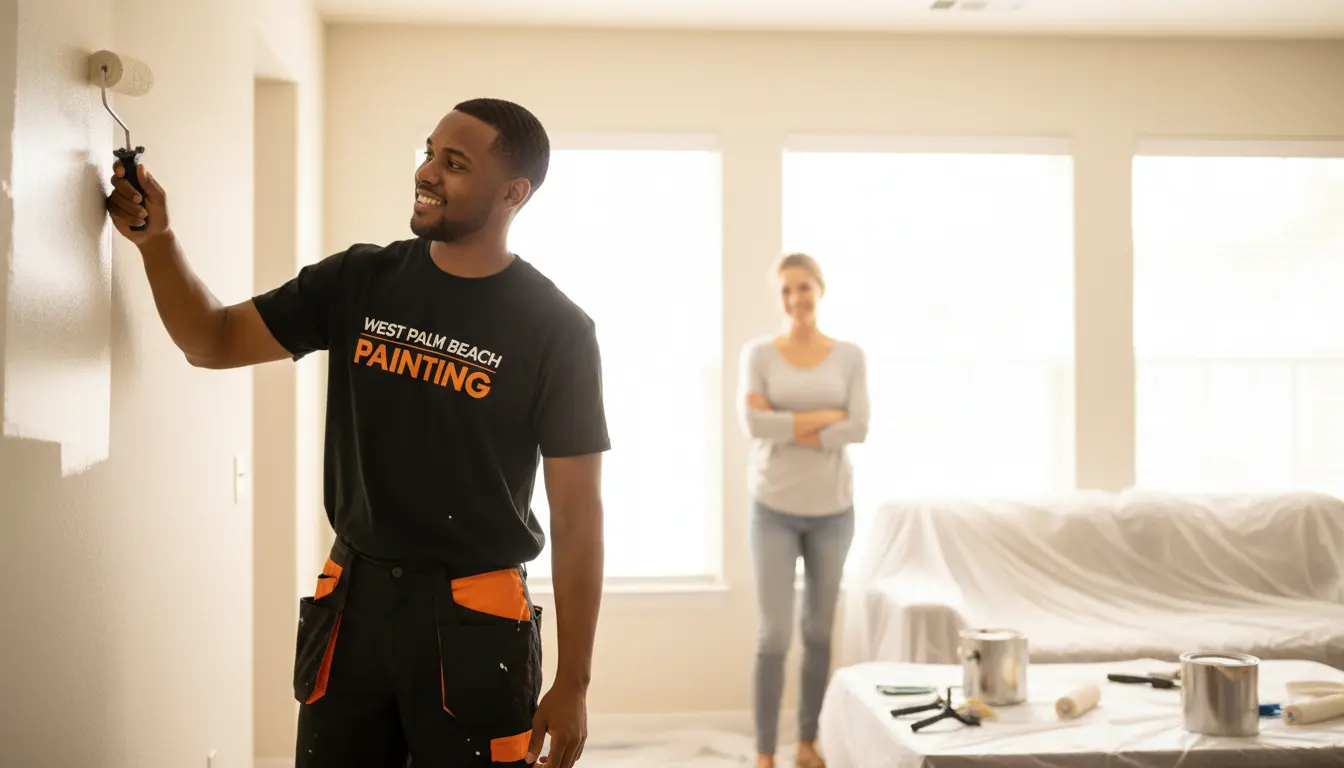
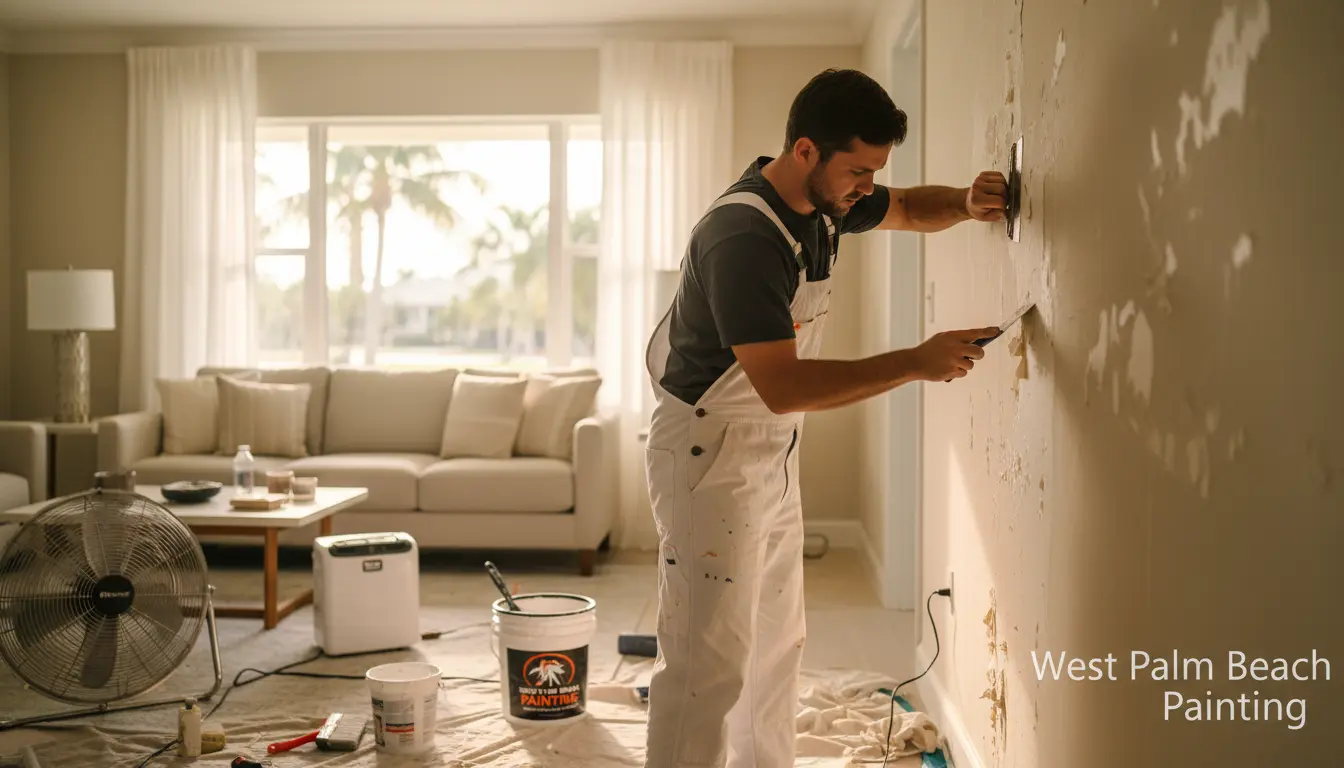
Living in the sunny paradise of Florida comes with its perks, but for homeowners in West Palm Beach, one frustrating issue stands out: peeling walls. Imagine prepping for a dinner party in your West Palm Beach home, only to notice unsightly flakes of paint crumbling from your living room walls. It’s not just an eyesore—it’s a sign that something’s gone wrong with your home’s protection against the elements. At West Palm Beach Painting, we’ve seen this problem time and again in our local community, from cozy bungalows in Northwood Village to modern condos in Palm Beach Lakes. But why does it happen, and more importantly, how can you fix it? In this guide, we’ll dive deep into the causes of peeling walls in Florida’s unique climate and provide actionable solutions tailored for West Palm Beach residents. Whether you’re dealing with interior or exterior issues, understanding these factors can save you time, money, and headaches.
Understanding Why Walls Peel in Florida
Florida’s subtropical environment is a perfect storm for paint failure. High humidity, frequent rain, and intense sun exposure create conditions that test even the toughest paints. Peeling occurs when the bond between the paint and the surface breaks down, often due to moisture infiltration or improper application. For West Palm Beach homeowners, this is especially relevant given our proximity to the Atlantic Ocean and the Everglades, which amplify moisture levels.
The Role of Humidity and Moisture
Humidity is the number one culprit behind peeling walls in Florida. In West Palm Beach, average humidity hovers around 70-80% year-round, creating a damp environment that seeps into walls. When moisture gets trapped under the paint, it expands and contracts with temperature changes, causing the paint to bubble and peel. This is particularly common during the rainy season from May to October, when afternoon thunderstorms drench our neighborhoods like Westgate and Mangonia Park.
To illustrate, consider a typical West Palm Beach home: If your exterior walls aren’t properly sealed, rainwater can penetrate the siding, leading to interior peeling as well. Interior spaces aren’t immune either—bathrooms and kitchens in Palm Beach Lakes homes often suffer from steam and condensation buildup.
Poor Surface Preparation: A Common Oversight
Even the best paint will fail if the surface isn’t prepped correctly. In Florida’s harsh conditions, skipping steps like cleaning, sanding, or priming can lead to adhesion issues. Dust, mildew, or old peeling paint left on the wall creates a weak foundation, and when Florida’s heat and humidity kick in, the new layer lifts right off.
Homeowners in Northwood Village often tell us they painted over existing issues without realizing it. For instance, if your walls have chalky residue from previous coats, the new paint won’t stick, resulting in peeling within months.
Inadequate Paint Quality and Application
Not all paints are created equal, especially for Florida’s climate. Using interior-grade paint on exteriors or skipping UV-resistant formulas invites disaster. Thin application layers or multiple coats applied too quickly don’t allow proper drying, leading to soft, peel-prone surfaces.
In West Palm Beach, where salt air from the ocean accelerates corrosion, choosing the wrong paint can mean repainting every couple of years. We’ve helped countless clients avoid this by recommending high-quality, mildew-resistant paints designed for humid areas.
Common Causes Specific to West Palm Beach
West Palm Beach’s microclimate exacerbates general Florida issues. Our city’s mix of urban density and coastal exposure means walls in areas like Westgate face unique challenges. For example, homes near Clematis Street endure more pollution and salt spray, which etches into paint faster. Meanwhile, in Mangonia Park, older structures with stucco exteriors are prone to cracking from soil shifts during heavy rains, allowing water to undermine the paint.
Interior peeling in West Palm Beach often ties to air conditioning overuse. Constant cooling creates condensation on walls, especially in unventilated rooms. If you’re in a historic home in Northwood Village, original plaster walls may not handle modern paints well without proper adaptation.
Another local factor is the sandy soil, which can lead to foundation settling and cracks. These fissures let moisture in, causing paint to delaminate. At West Palm Beach Painting, we frequently address this in our service calls across the area.
How to Fix Peeling Walls: Step-by-Step Guide
Don’t panic—peeling walls are fixable with the right approach. Start by assessing the damage: Is it interior or exterior? Localized or widespread? For minor issues, DIY is possible, but for extensive peeling, consider professional help to ensure lasting results.
Step 1: Remove the Loose Paint
Begin by scraping off all flaking paint using a putty knife or wire brush. For safety in West Palm Beach’s heat, wear a mask to avoid inhaling dust or mold spores. If the peeling affects drywall, you might need drywall patch and repair services to restore the surface before repainting.
Pro tip: In humid spots like your West Palm Beach kitchen, use a heat gun sparingly to avoid scorching the underlying material.
Step 2: Clean and Repair the Surface
Once peeled areas are cleared, wash the wall with a mild detergent and water solution to remove dirt, grease, or mildew. For mold-prone Florida walls, add a bleach-water mix (1:3 ratio). Rinse thoroughly and let dry completely— this could take days in our climate.
Repair cracks or holes with spackle or joint compound, sanding smooth once dry. In coastal West Palm Beach homes, apply a rust-inhibiting primer if metal surfaces are involved.
Step 3: Prime and Repaint
Priming is non-negotiable for adhesion. Use a high-quality, stain-blocking primer suited for Florida’s moisture. Then, apply at least two coats of exterior or interior paint, depending on the surface. Opt for semi-gloss or satin finishes in high-moisture areas for easier cleaning.
For a flawless finish, especially in visible spaces like living rooms, our residential interior painting experts recommend testing colors first. Schedule a color selection consultation to choose hues that withstand fading from our intense sun.
If your peeling is on cabinets, consider specialized kitchen cabinet painting to refresh without full replacement.
Prevention Tips for Florida Homes in West Palm Beach
Prevention is key to avoiding repeat issues. First, ensure proper ventilation: Use exhaust fans in bathrooms and kitchens, and consider dehumidifiers for interior spaces. In West Palm Beach’s rainy season, keep gutters clean to direct water away from foundations.
Choose paints labeled for high-humidity environments, with acrylic or latex bases that flex with temperature changes. Reapply a fresh coat every 5-7 years, or sooner if you notice bubbling.
For exteriors, trim overhanging branches to reduce shade and moisture buildup. In commercial properties around Palm Beach Lakes, regular maintenance can prevent costly downtime—check out our commercial building painting for tailored solutions.
Local advice: West Palm Beach’s building codes emphasize moisture barriers, so if you’re renovating, incorporate them. Regular inspections, especially after hurricanes, can catch issues early.
FAQ: Peeling Walls in West Palm Beach
Why do my interior walls peel in West Palm Beach but not my friend’s in drier areas?
Florida’s humidity is the main difference. In West Palm Beach, indoor moisture from AC and showers condenses on walls, weakening paint bonds. Ensure good airflow and use moisture-resistant paints.
How much does it cost to fix peeling walls in a West Palm Beach home?
Costs vary from $500 for DIY minor fixes to $2,000-$5,000 for professional full-room repaints, depending on size and damage. Factors like drywall repairs add to the total.
Can I paint over peeling walls without fixing the cause?
No—painting over will lead to quicker failure. Address moisture sources first, or call West Palm Beach Painting for a thorough assessment.
What’s the best paint for preventing peeling in Florida?
Look for 100% acrylic latex paints with mildew resistance. Brands like Behr or Sherwin-Williams Marquee work well in our climate.
How often should I repaint exteriors in West Palm Beach?
Every 5-10 years, depending on exposure. Coastal homes in areas like Westgate may need it more frequently due to salt air.
Conclusion: Restore Your West Palm Beach Home Today
Peeling walls don’t have to be a permanent problem in your Florida home. By understanding the causes—from humidity to poor prep—and following these fixes and prevention tips, you can maintain beautiful, durable walls year-round. In West Palm Beach, where our lifestyle revolves around vibrant indoor-outdoor living, a fresh coat of paint makes all the difference.
Ready to say goodbye to peeling for good? Contact West Palm Beach Painting today for a free consultation. Our local experts serve all of West Palm Beach and surrounding areas, ensuring your home stays protected and picturesque. Don’t wait for the next rainstorm—schedule your service now and enjoy peace of mind.